WORLD NEWS FOR MONTENEGRO DIASPORA
Choose language:


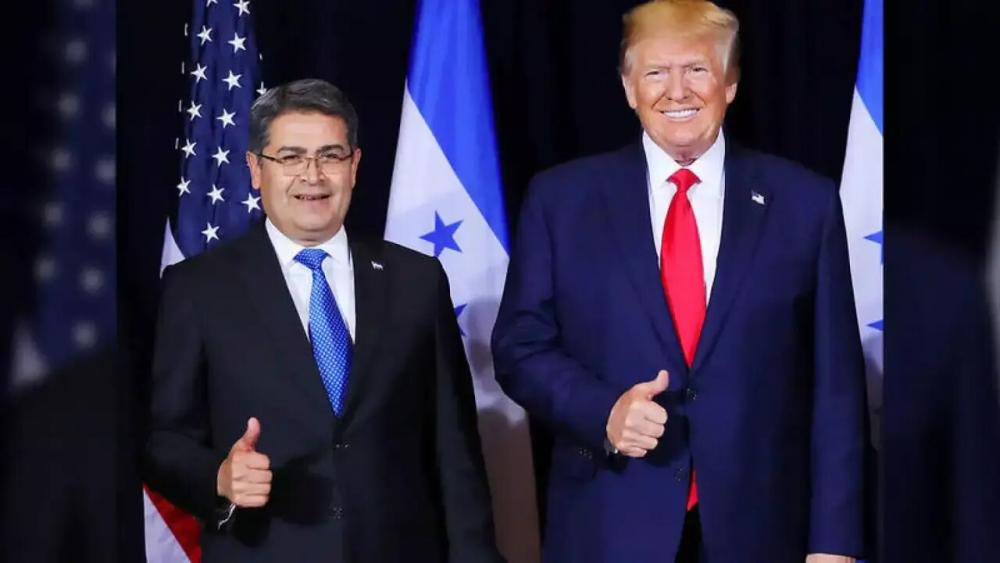
Former Honduran President Juan Orlando Hernández has been formally pardoned by President Donald Trump, a decision that immediately reignited debate in Washington and across Central America over the legacy of the once-powerful leader.
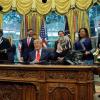
The pardon, announced during a White House ceremony, wipes away Hernández’s U.S. criminal convictions and effectively ends years of legal turmoil that had damaged his reputation and strained relations between the two countries. Trump framed the move as an act of “correcting injustice,” arguing that Hernández had been unfairly targeted for political reasons.
Supporters of the former president welcomed the pardon as a long-awaited vindication, saying he had been a crucial partner in regional security, anti-migration efforts, and U.S.–Central American cooperation. They credit him with stabilizing Honduras during periods of intense political and economic volatility.
Critics, however, denounced the decision as a grave setback for regional anti-corruption efforts. Human rights groups and political opponents in Honduras argued that Hernández’s record in office raised serious concerns and that erasing his convictions sends the wrong message at a time when democratic institutions in the region remain fragile.
In Honduras, the announcement triggered a mix of celebration, frustration, and uncertainty. Some of Hernández’s allies called for his immediate return to political life, while others urged caution, noting that public opinion remains sharply divided.
The White House has not released additional details about the internal deliberations behind the pardon, but officials signaled that the administration views the decision as part of a broader push to reshape U.S. policy in Latin America.
Hernández has not yet spoken publicly but is expected to issue a statement in the coming days. The political impact of the pardon is likely to ripple across both countries as lawmakers, analysts, and citizens digest its significance.
Author: M.J


.jpg)