WORLD NEWS FOR MONTENEGRO DIASPORA
Choose language:


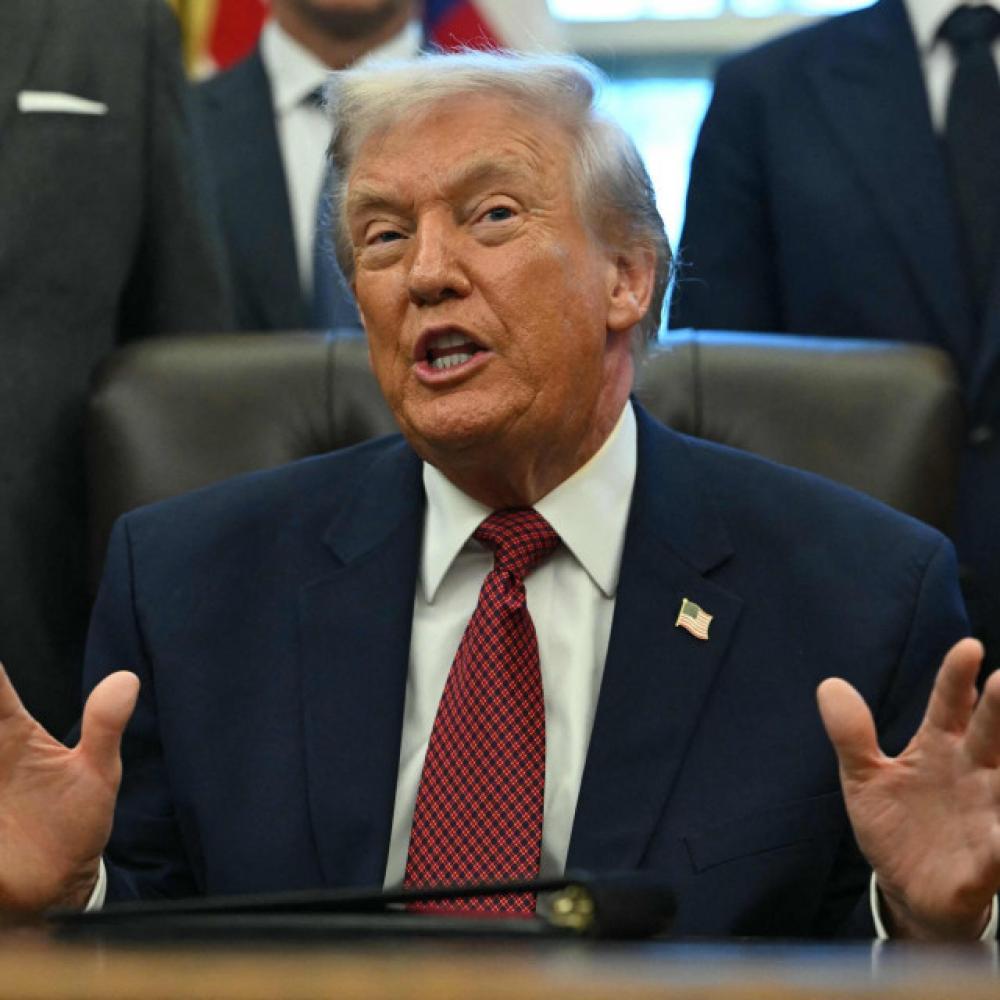
The Trump administration is facing renewed scrutiny on two separate fronts this week, as the Supreme Court prepares to hear a major case involving presidential authority and critics intensify their attacks over the controversial boat strikes carried out under Defense Secretary Pete Hegseth.
The Supreme Court is set to examine whether the president has the power to dismiss members of the Federal Trade Commission at will, a case with potentially far-reaching implications for the independence of federal regulatory agencies. The administration argues that such authority is essential for ensuring accountability within the executive branch, while legal experts warn that dismantling long-standing protections could weaken oversight and concentrate more power in the presidency.
The hearing comes at a politically sensitive moment, with business groups, consumer advocates, and constitutional scholars all watching closely. A ruling in favor of the administration could reshape how federal commissions operate and limit the autonomy of agencies designed to function outside direct political pressure.
At the same time, criticism continues to pile up over the maritime strike campaign initiated under Hegseth’s Pentagon leadership. The operation—intended to target alleged drug-smuggling vessels—has drawn intense scrutiny after a series of incidents left key questions unresolved about rules of engagement, intelligence assessments, and civilian risk.
Family members of victims, lawmakers, and former military officials have demanded greater transparency, saying the administration has failed to provide clear explanations for how decisions were made and whether protocols were followed. The Pentagon has insisted the actions were legal and strategically necessary, but pressure for independent reviews continues to increase.
Together, the Supreme Court case and the Hegseth controversy reflect a broader challenge for the administration as it confronts legal uncertainty, political fallout, and mounting calls for accountability. How the White House manages the fallout—both in the courtroom and in the court of public opinion—may shape its ability to push forward on its broader agenda in the months ahead.
Author: M.J