WORLD NEWS FOR MONTENEGRO DIASPORA
Choose language:


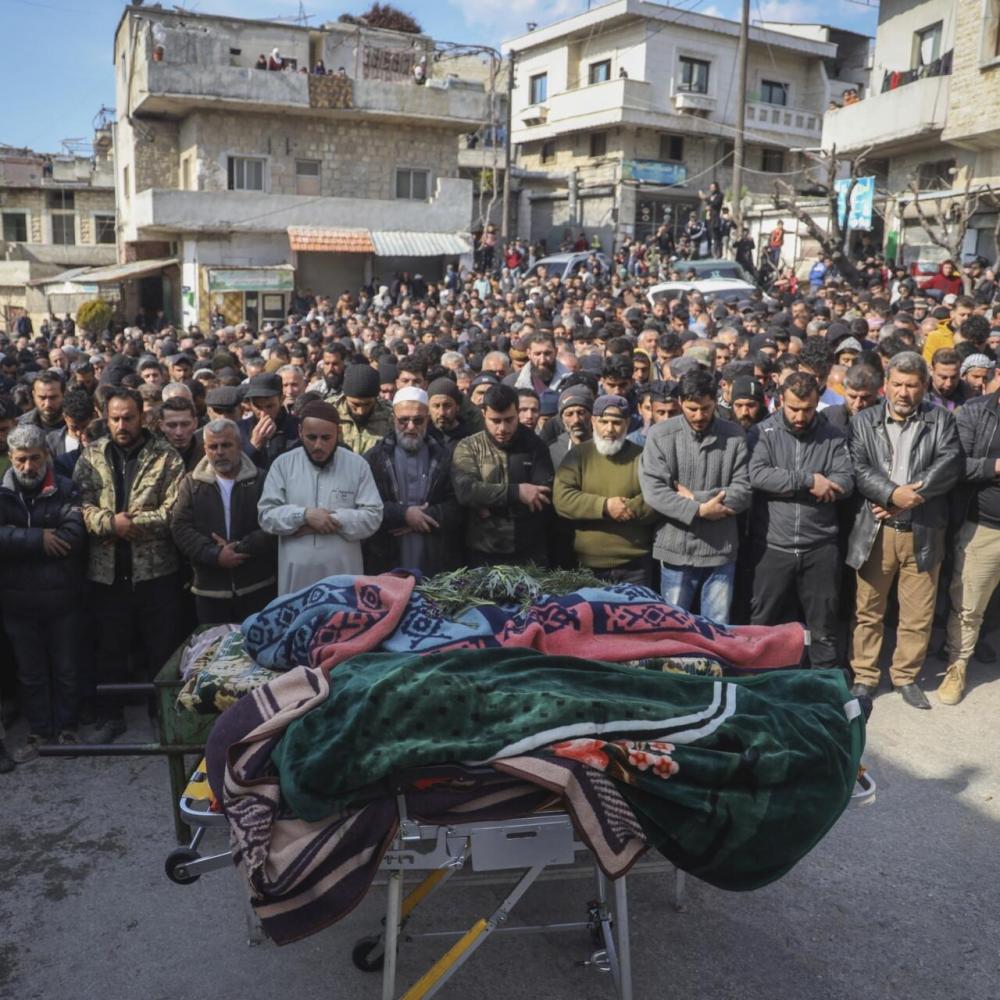
At least three people have been killed and dozens more injured in violent clashes between Alawite groups and counter-demonstrators in Syria, in an escalation of tensions that has unsettled local communities and drawn concern from regional observers.
The confrontations erupted when rival groups gathered in a contested area to voice opposing political and social views. What began as a demonstration quickly turned violent, with reports of stones, sticks and other improvised weapons being used. Security forces were deployed in an attempt to restore order, but were unable to prevent the situation from spiraling into broader conflict.
Medical officials in the area confirmed three fatalities, and local hospitals reported admitting dozens of wounded individuals, many suffering from head injuries, fractures, and other trauma. Among the injured were both participants in the clashes and bystanders caught in the chaos.
Eyewitnesses described scenes of intense confrontations, with groups confronting each other in the streets as tensions boiled over. Some residents expressed fear and bewilderment at the speed with which the unrest intensified, saying the violence disrupted what had initially been a tense but peaceful protest atmosphere.
Local authorities imposed restrictions on movement in the affected districts and called for calm, urging community leaders to work toward de-escalation. Officials also announced ongoing investigations into the clashes as communities seek answers and accountability.
The clashes reflect deeper undercurrents of division in parts of Syrian society, where differing allegiances and grievances have periodically surfaced since the country’s conflict began more than a decade ago. Analysts say that outbreaks of violence between community groups — particularly in mixed-population areas — can quickly spark wider unrest if not addressed through dialogue and sustained peacebuilding efforts.
International humanitarian organizations expressed alarm at the latest violence, calling for restraint and protection of civilians. They emphasized the need for all parties to avoid further escalation and to respect the rights of peaceful assembly and expression.
Families of those killed and injured have called for justice and accountability, while community leaders urged negotiations to prevent further bloodshed. Local council members have scheduled emergency meetings to discuss security measures and community reconciliation efforts.
As Syria continues to grapple with the long-term effects of protracted conflict, incidents like these underscore ongoing challenges in achieving stability and unity. For now, residents in the affected areas remain on edge, with many calling for peaceful solutions to deep-seated tensions that risk reigniting broader hostilities.
Author: M.J