
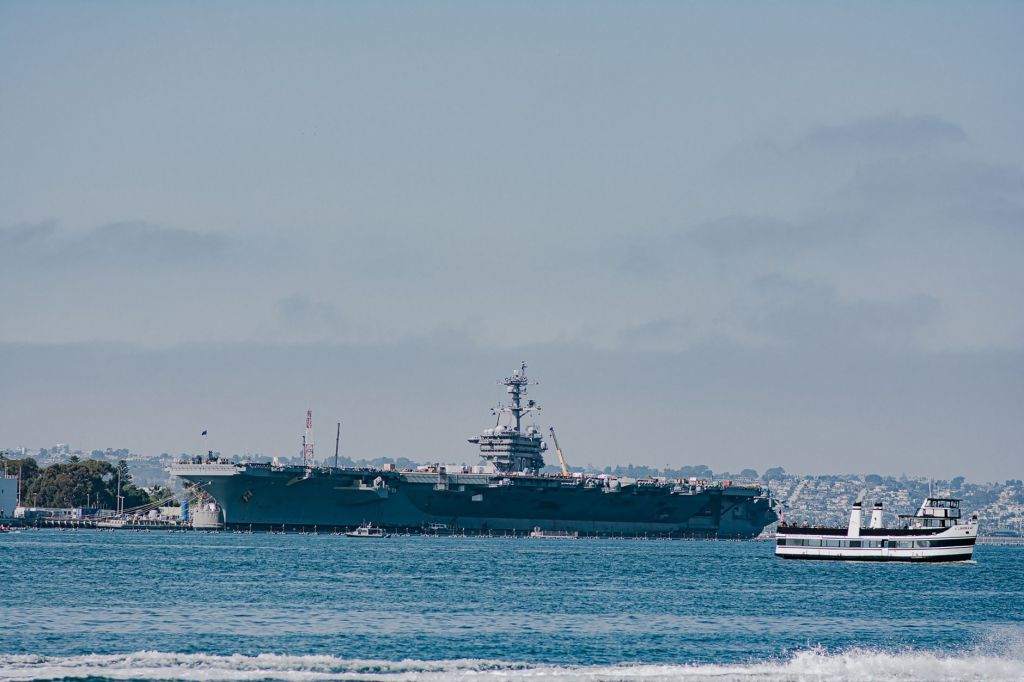
The USS Abraham Lincoln has become the focus of growing concern after reports of mounting strain among its crew during an unusually long deployment in the Middle East.
The Nimitz-class aircraft carrier has spent more than 250 days at sea, with roughly 5,000 sailors and Marines aboard. The deployment, which began in November 2025, has stretched well beyond the originally expected seven-month mission. The ship has also gone more than 200 days without a port call, according to reporting citing lawmakers and military officials.
The concerns go beyond fatigue. Family members of sailors have described shortages involving food and hygiene supplies, disrupted mail, plumbing and water problems, and long working hours with little opportunity for rest. Reports have also emerged of sailors attempting to go overboard, intensifying questions about mental health and morale aboard the carrier.
The U.S. Navy has pushed back against claims that the ship is experiencing a widespread mental-health crisis. Defense Secretary Pete Hegseth has called reports about deteriorating conditions “completely misrepresented,” while Navy officials have defended the support available to the crew.
The issue has nevertheless attracted increasing political scrutiny. Senator Richard Blumenthal has demanded answers about why the deployment has been repeatedly extended, who authorized the extensions and what operational requirements justified keeping the carrier at sea for so long.
On Friday, August 14, President Donald Trump dismissed concerns that the deployment had become excessive, saying the carrier’s time at sea was “not nearly enough.” He also confirmed that the USS Abraham Lincoln will be replaced by another carrier.
The USS George Washington is reportedly heading toward the Middle East to relieve the Lincoln, potentially giving the Lincoln’s crew a path home after months of continuous operations.
At the center of the controversy is a difficult question: How long can a carrier and its crew remain deployed at wartime tempo before operational demands begin to collide with the basic needs of the sailors carrying out the mission?
For the families of those aboard the Lincoln, the issue is no longer simply how long the ship can remain at sea. It is whether the Navy can ensure that the people operating one of America’s most important warships remain safe, healthy and ready to continue the mission.
The coming weeks could bring greater scrutiny as the Lincoln is relieved and lawmakers seek more information about the conditions aboard the carrier.

