
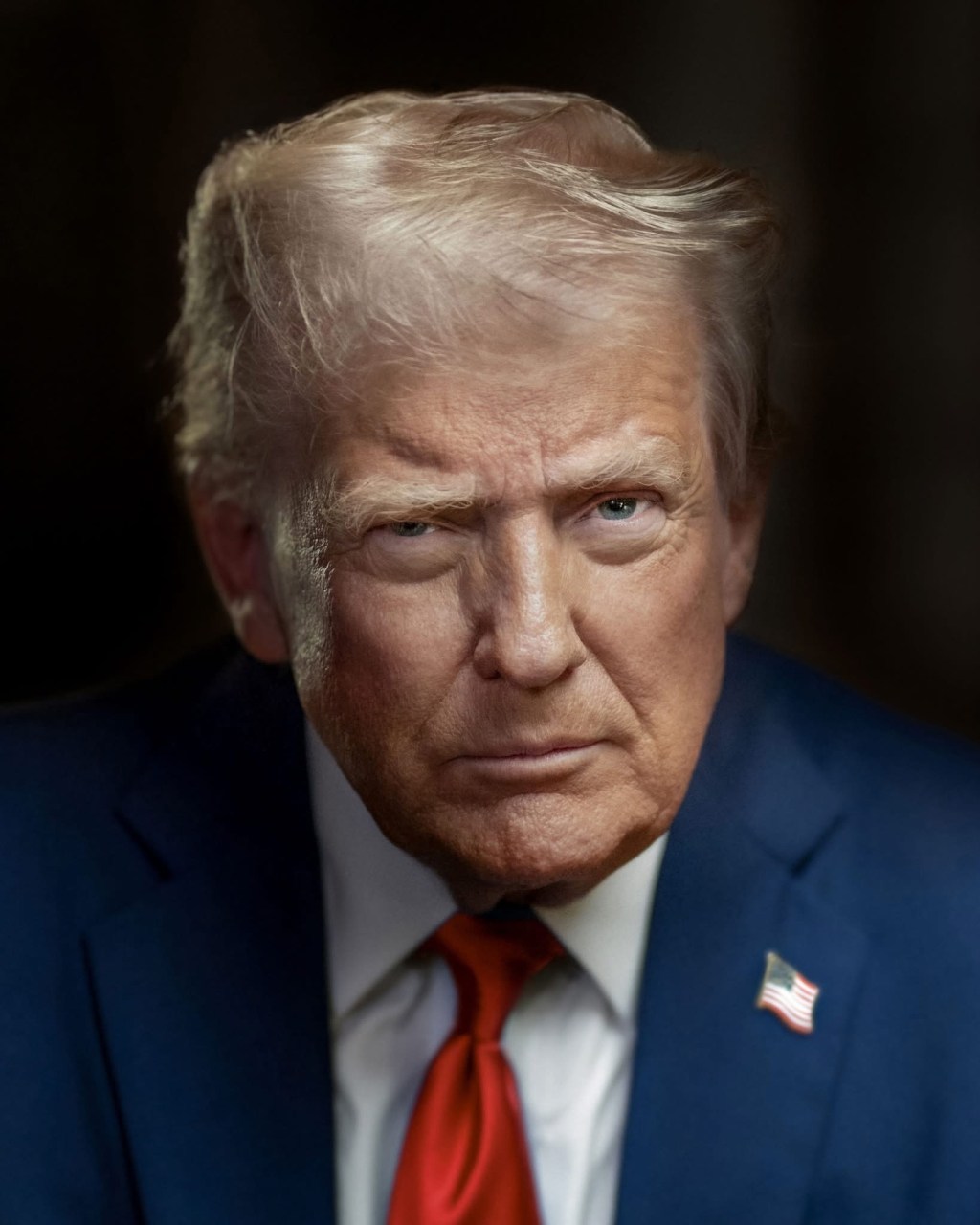
WASHINGTON — Questions about corruption and conflicts of interest are once again surrounding President Donald Trump, as his political power and private business interests continue to overlap in ways that critics say raise serious concerns about accountability and public trust.
The controversy is not based on a single allegation. It involves a broad range of financial dealings, cryptocurrency ventures, foreign business relationships, government contracts and the use of properties connected to Trump and his family.
A recent Reuters/Ipsos poll found that 63% of Americans surveyed believe Trump and his family have inappropriately profited from cryptocurrency ventures since his return to office, while 69% said they believe his private business interests influence his government policies.
Private business and public office
One of the central concerns is Trump’s decision to maintain extensive business interests while serving as president.
Critics argue that this creates an unusual situation in which individuals, companies and foreign interests may have financial reasons to maintain relationships with businesses connected to the president.
A July investigation by The Washington Post, for example, reported that a company connected to a South Korean investor paid Trump’s company $2 million while the investor’s business was involved in a trade case before the Commerce Department. The White House denied that the payment created a conflict of interest and said Trump’s assets were being managed through independent third parties. Importantly, the report found no evidence that Trump or his family intervened in the trade investigation on behalf of the company.
That distinction matters: a potential conflict of interest is not automatically proof of criminal corruption.
Cryptocurrency and the Trump family
Trump’s cryptocurrency activities have become another major source of controversy.
Reuters reported that Trump-related cryptocurrency ventures generated more than $1.4 billion in 2025, while Trump and his family continued to benefit financially from the broader business ecosystem surrounding them. Ethics experts have questioned whether presidential decisions involving cryptocurrency regulation can be separated from the president’s personal financial interests.
The debate goes beyond politics. It raises a fundamental question for American democracy:
Can a president simultaneously control government policy and maintain financial interests in industries directly affected by that policy without creating an unacceptable conflict?
The weakening of government watchdogs
Another concern involves the institutions responsible for investigating misconduct.
Reuters reported in August that misconduct complaints at the Justice Department had increased while internal watchdog operations were reduced. The Office of Professional Responsibility reportedly fell from 29 employees to 16, while the department’s Inspector General’s Office lost nearly 100 staff members. Critics say the changes could weaken independent oversight; DOJ officials dispute the characterization that oversight has been abandoned. (Reuters)
The issue is larger than Trump personally. If government watchdogs become weaker, questions arise about whether future presidents — regardless of political party — will face meaningful accountability.
Questions about Trump’s family and government contracts
Trump’s family business relationships have also attracted congressional scrutiny.
In August, lawmakers asked the Pentagon’s inspector general to investigate companies backed by Trump’s sons after The Washington Post reported that 15 companies connected to those investments had received approximately $3.2 billion in federal contracts, investments and loans. The lawmakers questioned whether adequate safeguards existed to prevent conflicts of interest.
Again, an investigation or request for an investigation does not establish wrongdoing. It establishes that lawmakers believe questions deserve answers.
The larger issue
The Trump controversy ultimately goes beyond individual transactions.
The central issue is whether the presidency should be used primarily as a public office or whether the enormous financial power surrounding the president can operate alongside government authority without compromising public confidence.
Critics say Trump’s presidency has blurred that line more dramatically than previous administrations. Supporters argue that Trump’s business interests are managed independently and that political opponents are using ethics allegations as a weapon.
Both claims deserve scrutiny.
For journalists, the responsibility is not to declare guilt before the evidence supports it. The responsibility is to follow the money, examine the documents, identify conflicts, question government officials and demand transparency.
The question facing the American public is therefore not simply whether Donald Trump is “corrupt.” The more important question is whether the systems designed to prevent corruption are strong enough to hold any president — including Trump — accountable.
As the 2026 election season approaches, that question is likely to remain at the center of America’s political for German daily news reporter Mike Jehovahvic

