WORLD NEWS FOR MONTENEGRO DIASPORA
Choose language:


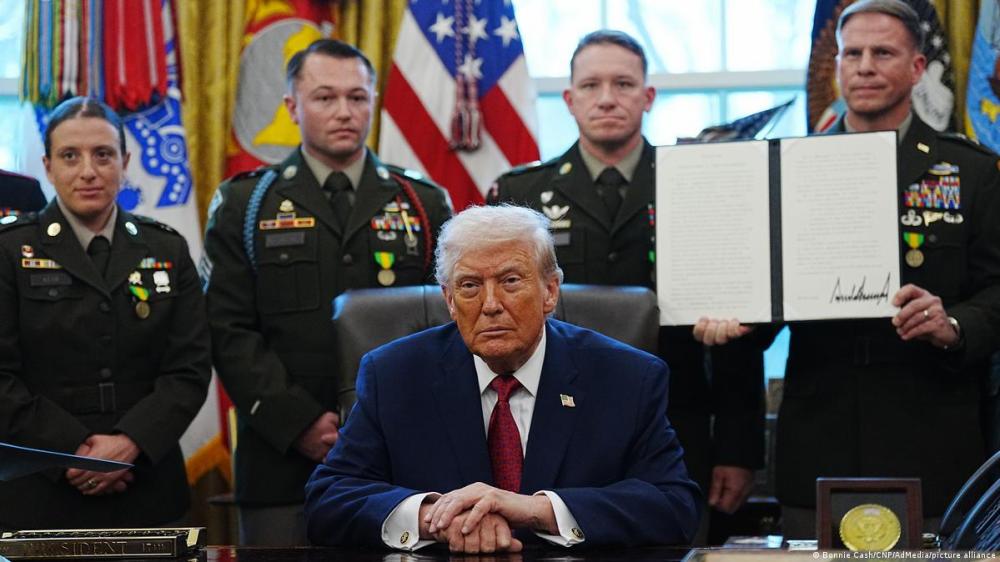
Behind the scenes, the United States has intensified a campaign of covert and indirect pressure on Venezuela, expanding what analysts describe as a shadow conflict aimed at weakening President Nicolás Maduro’s grip on power. Despite these efforts, the country’s longtime leader continues to hold on, defying predictions of his political collapse.
The strategy has relied less on overt military action and more on intelligence operations, sanctions enforcement and support for regional efforts to disrupt networks tied to the Venezuelan state. U.S. officials have framed the approach as a necessary response to alleged criminal activity, corruption and security threats emanating from the country.
Yet inside Venezuela, Maduro has proven resilient. Backed by loyal security forces and bolstered by support from key international allies, he has maintained control over state institutions and suppressed internal dissent. Public appearances and state media portray an image of stability, even as economic hardship and political repression persist.
Opposition groups say the shadow campaign has done little to improve conditions for ordinary Venezuelans, arguing that sanctions and covert pressure have instead deepened shortages and pushed more people to leave the country. Millions have emigrated in recent years, creating one of the largest displacement crises in the region.
Supporters of the U.S. strategy counter that sustained pressure is gradually constraining the government’s ability to operate freely and send resources abroad. They argue that weakening illicit revenue streams and isolating key figures could eventually force political change.
Regional governments are watching closely, wary that escalating covert actions could trigger retaliation or destabilize neighboring countries. Diplomatic efforts to restart negotiations between the government and opposition have repeatedly stalled, leaving few clear paths forward.
For now, Venezuela remains locked in a tense stalemate. Washington’s shadow war continues to grow in scope, but Maduro’s hold on power endures, underscoring the limits of external pressure in reshaping a deeply entrenched political system.
Author: M.J



.jpg)