WORLD NEWS FOR MONTENEGRO DIASPORA
Choose language:


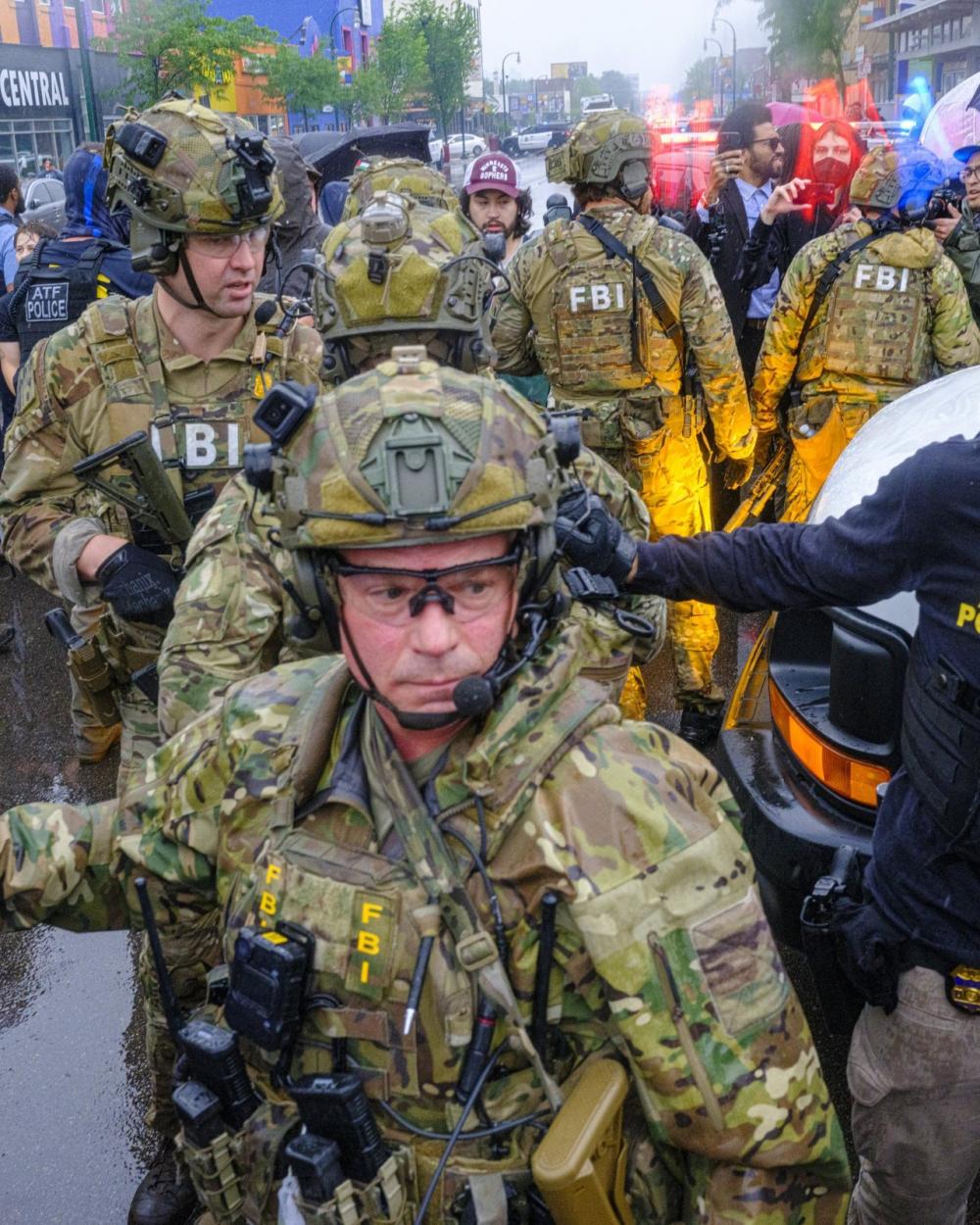
The federal government is deploying roughly 2,000 agents to Minneapolis as part of an expanded immigration enforcement push, a move that has drawn sharp reactions from local officials, advocates and community leaders.
According to federal authorities, the deployment is intended to support immigration operations across the metropolitan area, with agents assisting in investigations, arrests and coordination with existing law enforcement resources. Officials said the effort is aimed at enforcing federal immigration laws and addressing what they described as growing operational demands in the region.
The announcement immediately sparked concern among immigrant communities, where residents fear heightened raids and disruptions to daily life. Advocacy groups warned that the presence of a large number of federal agents could discourage people from reporting crimes, seeking medical care or sending children to school.
City and state leaders said they were not fully briefed ahead of the deployment and emphasized that Minneapolis does not participate in routine immigration enforcement. Minnesota officials reiterated that local law enforcement priorities remain focused on public safety rather than immigration status.
Federal representatives defended the move, saying the agents would operate within the law and focus on individuals with serious criminal records, while also targeting broader immigration violations. They argued that additional manpower is necessary to carry out enforcement effectively.
The deployment comes amid a national debate over immigration policy, border security and the role of federal agencies in cities with large immigrant populations. Minneapolis, home to significant immigrant and refugee communities, has frequently been at the center of those discussions.
Community organizations are preparing legal aid resources and know-your-rights workshops in anticipation of increased enforcement activity. Some leaders called for calm, urging residents to stay informed and avoid panic as details of the operation continue to emerge.
As agents arrive in the city, Minneapolis finds itself once again at the intersection of national policy and local impact, with the coming weeks likely to test relations between federal authorities, city leaders and the communities most affected by the crackdown.
Author: M.J