WORLD NEWS FOR MONTENEGRO DIASPORA
Choose language:


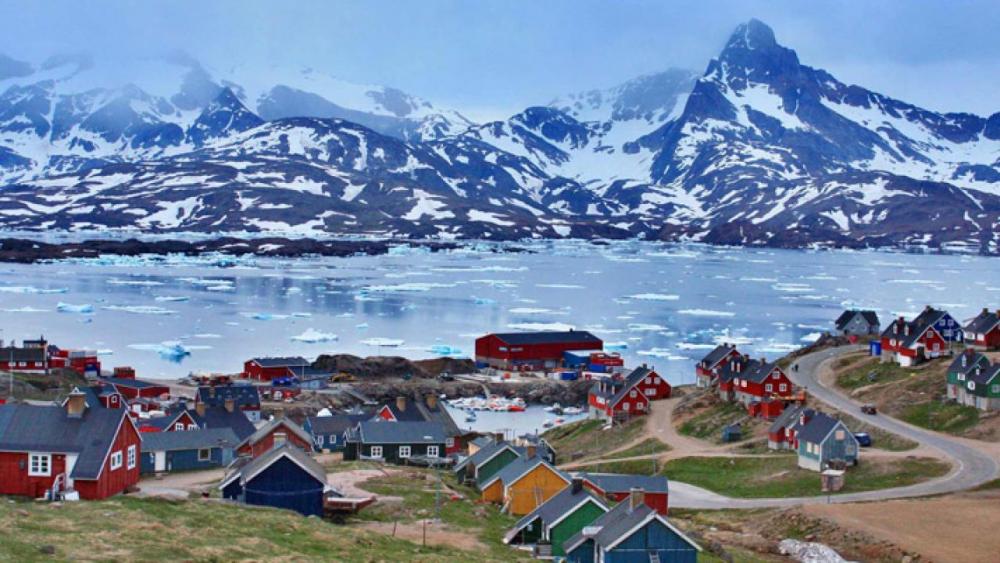
Greenland, the world’s largest island, has once again found itself at the center of global debate after renewed interest from Donald Trump, raising questions about why the remote Arctic territory matters so much to U.S. strategic thinking.
At the heart of the issue is Greenland’s location. Sitting between North America and Europe, the island occupies a critical position in the Arctic, a region growing in importance as melting ice opens new shipping routes and access to untapped resources. For U.S. military planners, Greenland is a key link in early-warning systems and missile defense, hosting long-standing American installations.
Beyond security, Greenland is rich in natural resources. Its vast deposits of rare earth minerals, essential for modern technologies and clean energy, have drawn increasing attention as countries seek to reduce reliance on China-dominated supply chains. Trump has repeatedly framed access to such resources as a matter of economic and national security.
Climate change has also elevated Greenland’s significance. Retreating ice has made previously inaccessible areas more reachable, intensifying competition among global powers eager to stake influence in the Arctic. Analysts say Washington views a stronger presence in Greenland as a way to counter growing interest from rivals, particularly Russia and China.
Trump’s interest has also carried a political dimension. His blunt, transactional style of diplomacy favors high-visibility moves that signal strength and deal-making. Comments suggesting U.S. control or ownership of Greenland, while widely criticized, reflected this approach and sparked backlash from Denmark and Greenland’s own leaders.
Officials in Copenhagen and Nuuk have consistently rejected any notion that Greenland could be bought or transferred, emphasizing self-determination and sovereignty. European leaders have echoed those sentiments, warning that such rhetoric undermines trust among allies.
Despite the controversy, experts note that the United States already maintains a significant presence in Greenland through defense agreements and economic cooperation. The debate, they say, is less about ownership and more about influence in a rapidly changing Arctic landscape.
As competition in the far north intensifies, Greenland’s importance is only likely to grow. Trump’s comments may have reignited the spotlight, but the strategic stakes surrounding the island extend well beyond any single leader — shaping the future balance of power in the Arctic for decades to come.
Author: M.J