WORLD NEWS FOR MONTENEGRO DIASPORA
Choose language:


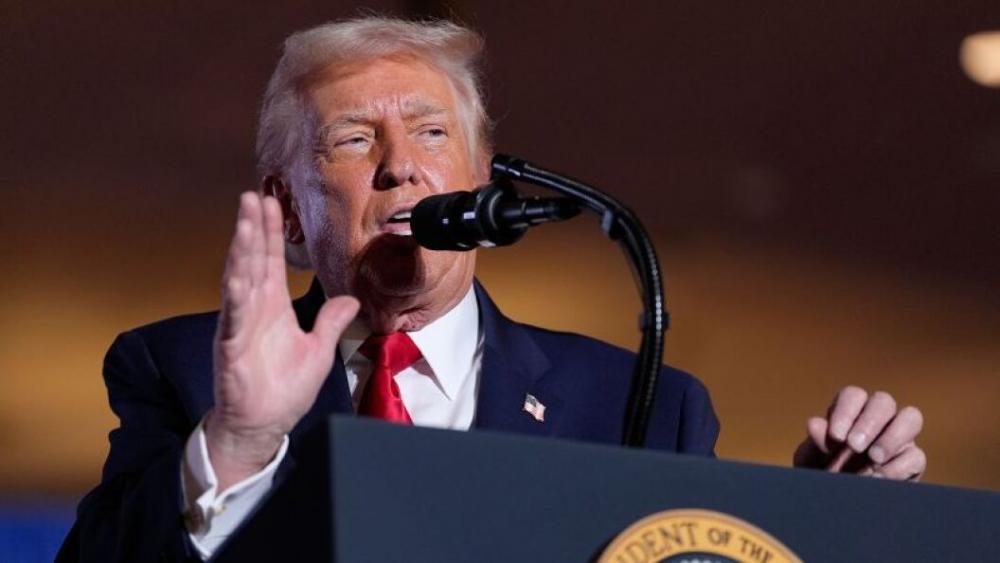
Former President Donald Trump has stepped up his public appearances with a characteristically energetic and upbeat message, but his lighthearted approach to the nation’s economic frustrations is drawing criticism from Americans who say he’s failing to grasp the daily strain of rising prices.
At recent rallies and interviews, Trump has leaned heavily on humor, personal anecdotes, and boasts about his past economic record. While supporters welcome his lively tone, many voters struggling with the cost of groceries, housing, fuel, and utilities say the former president’s messaging feels disconnected from the financial pressure they face.
Trump has repeatedly dismissed concerns that inflation remains a major burden, arguing that his policies would quickly restore economic stability if he returns to the White House. He has accused opponents of exaggerating the problem to damage his political standing, emphasizing instead his focus on deregulation, energy expansion, and aggressive trade actions.
But voters across both parties say that upbeat rhetoric alone does little to address what they describe as a relentless rise in everyday expenses. Families report cutting back on basic goods, delaying major purchases, and taking second jobs. Some business owners say the cost of materials and labor is still eating into their margins, even as consumer demand softens.
Economic analysts note that while headline inflation has cooled compared with previous peaks, prices remain significantly higher than before the pandemic — a reality that leaves many Americans feeling as though progress on inflation hasn’t translated into relief.
Trump’s advisers insist he is attuned to public frustration and argue that voters are responding to his confidence rather than expecting empathy. But critics counter that the former president’s tendency to frame economic concerns as political attacks undermines his ability to speak directly to families struggling with affordability.
As the campaign season intensifies, the gap between Trump’s buoyant performances and Americans’ financial anxieties poses a growing challenge. Whether voters ultimately embrace his optimistic pitch or demand a deeper acknowledgment of the hardship many still feel could help shape the economic debate in the months ahead.
Author: M.J


.jpg)
.jpg)