WORLD NEWS FOR MONTENEGRO DIASPORA
Choose language:


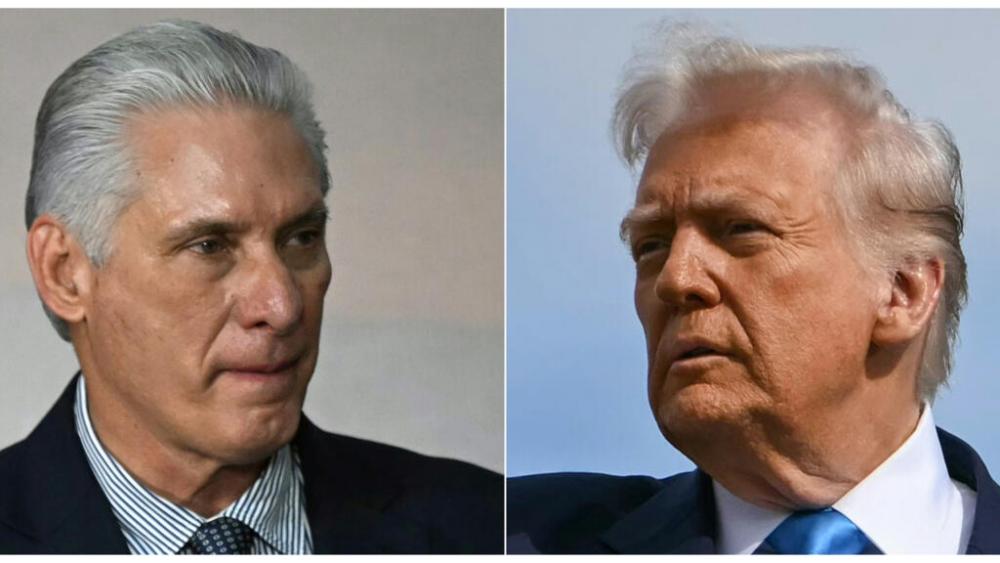
President Donald Trump has issued a sharp warning to Cuba, telling its leadership to “make a deal” with the United States or face unspecified consequences, escalating already tense relations between Washington and Havana.
In remarks that quickly drew international attention, Trump signaled a hardline stance toward the Cuban government, accusing it of long-standing hostility toward US interests and a failure to reform politically and economically. He suggested that the window for diplomacy was narrowing, framing negotiations as Cuba’s last opportunity to avoid increased pressure.
While Trump did not detail what consequences Cuba might face, his comments were widely interpreted as a threat of tougher economic measures, stricter sanctions, or broader diplomatic isolation. During his presidency, Trump rolled back several engagement policies, tightening restrictions on travel, trade, and financial transactions involving the island nation.
Cuban officials responded cautiously, with state media rejecting what it described as “ultimatums” and reaffirming the country’s sovereignty. Havana has long argued that US sanctions are the primary cause of its economic hardship and has repeatedly called for their removal without preconditions.
Analysts say Trump’s comments appear aimed at reinforcing his foreign policy image as a leader willing to apply maximum pressure, particularly in the Western Hemisphere. The remarks also come as Cuba continues to face severe economic strain, marked by shortages of fuel, food, and medicine, as well as lingering public discontent.
Critics of the hardline approach warn that increased pressure could worsen conditions for ordinary Cubans while reducing opportunities for dialogue. Supporters, however, argue that stronger tactics are necessary to force political change.
For now, the exchange has added new strain to an already fragile relationship, leaving uncertainty over whether Trump’s warning will lead to renewed negotiations — or another period of heightened confrontation between the two longtime adversaries.
Author: M.J