WORLD NEWS FOR MONTENEGRO DIASPORA
Choose language:


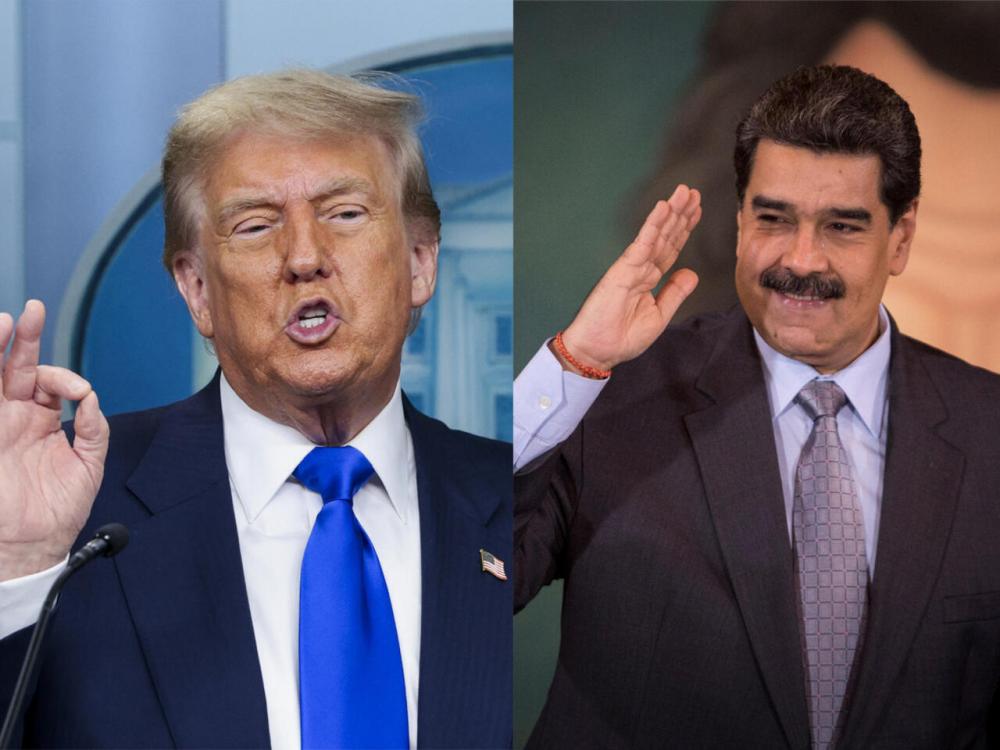
President Donald Trump and several of his senior advisers have declined to rule out the possibility of military action against Venezuela, signaling a hardening tone as tensions with the South American nation continue to simmer.
In recent remarks, Trump accused Venezuela’s leadership of threatening regional stability and undermining U.S. interests, citing issues ranging from migration pressures to alleged ties with hostile foreign governments. While emphasizing a preference for “strength and deterrence,” he stopped short of dismissing the use of force, saying all options remained available.
Top aides echoed that message, arguing that economic sanctions and diplomatic pressure alone may not be sufficient to change behavior in Caracas. They framed the stance as part of a broader effort to reassert U.S. influence in the Western Hemisphere and counter what they described as growing instability near America’s borders.
The comments have raised concerns among foreign policy analysts, who warn that even vague references to military action could escalate tensions and unsettle allies in the region. Critics argue that talk of war risks inflaming an already fragile situation in Venezuela, where years of economic crisis and political turmoil have driven millions to flee the country.
Supporters of the tougher rhetoric, however, say it reflects frustration with what they view as failed engagement strategies and insist that a credible threat is necessary to pressure Venezuela’s leadership into concessions.
As debate continues in Washington, Trump’s refusal to rule out war underscores the uncertainty surrounding future U.S. policy toward Venezuela and adds a new layer of tension to an already strained relationship.
Author: M.J



.jpg)