WORLD NEWS FOR MONTENEGRO DIASPORA
Choose language:


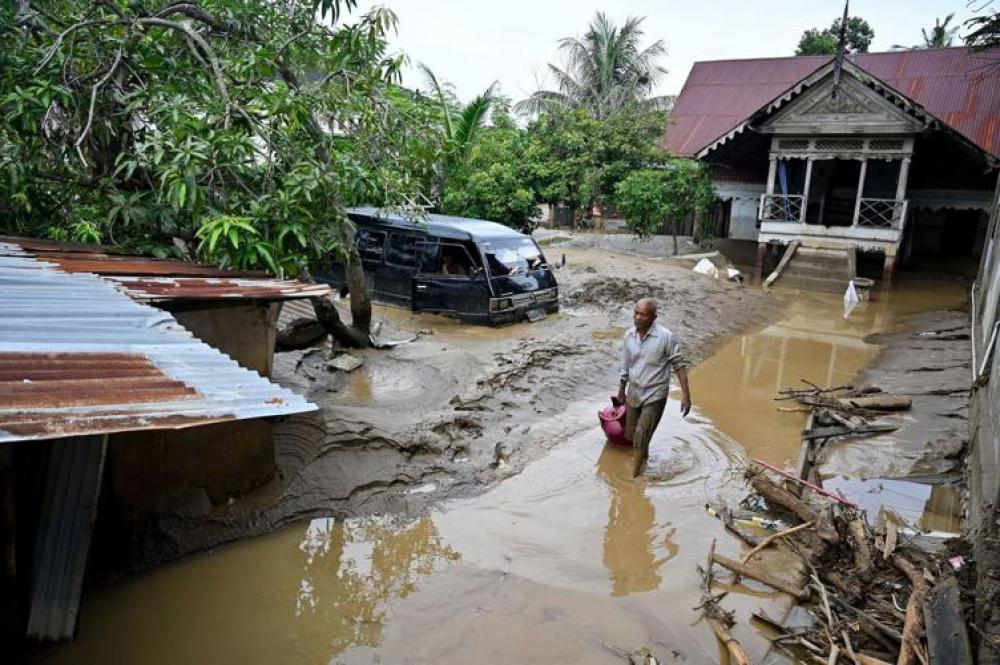
Large parts of Asia are facing a humanitarian emergency after days of intense storms triggered massive flooding and landslides, killing more than 1,100 people and leaving millions affected across multiple countries.
The region has been battered by an unrelenting wave of torrential rain, swollen rivers, and collapsing hillsides that destroyed homes, infrastructure, and entire communities. Rescue teams are still struggling to reach isolated areas where communications have been severed and roads washed away.
Authorities in several countries reported that search-and-rescue operations remain ongoing, with thousands believed to be stranded or missing. Emergency workers have been using boats, helicopters, and heavy machinery to pull survivors from debris and evacuate families trapped by rising waters.
Many of the worst-hit areas saw entire neighborhoods inundated within hours, forcing residents to flee with only what they could carry. Relief shelters are overwhelmed, and officials warn that shortages of food, clean water, and medical supplies could worsen an already dire situation.
Landslides caused by saturated soil have buried homes and blocked key transport routes, slowing the delivery of aid. In some rural regions, rescuers are navigating mud-clogged terrain on foot to search for victims and deliver basic assistance.
Meteorologists say the scale of the storms was driven by an intense monsoon surge combined with broader climate patterns that have made extreme weather more frequent and more destructive. Several governments have declared states of emergency and appealed for international assistance to bolster relief efforts.
Humanitarian organizations warn that rebuilding could take months, if not longer, with thousands of families now homeless and agricultural land heavily damaged. Health officials are also monitoring for potential disease outbreaks as floodwaters stagnate in densely populated areas.
As the storms finally begin to weaken, the focus is shifting from rescue to recovery. But with the death toll still climbing and vast areas yet to be fully assessed, the full scope of the disaster is only just beginning to emerge.
Author: M.J



.jpg)

.jpg)
.jpg)