WORLD NEWS FOR MONTENEGRO DIASPORA
Choose language:


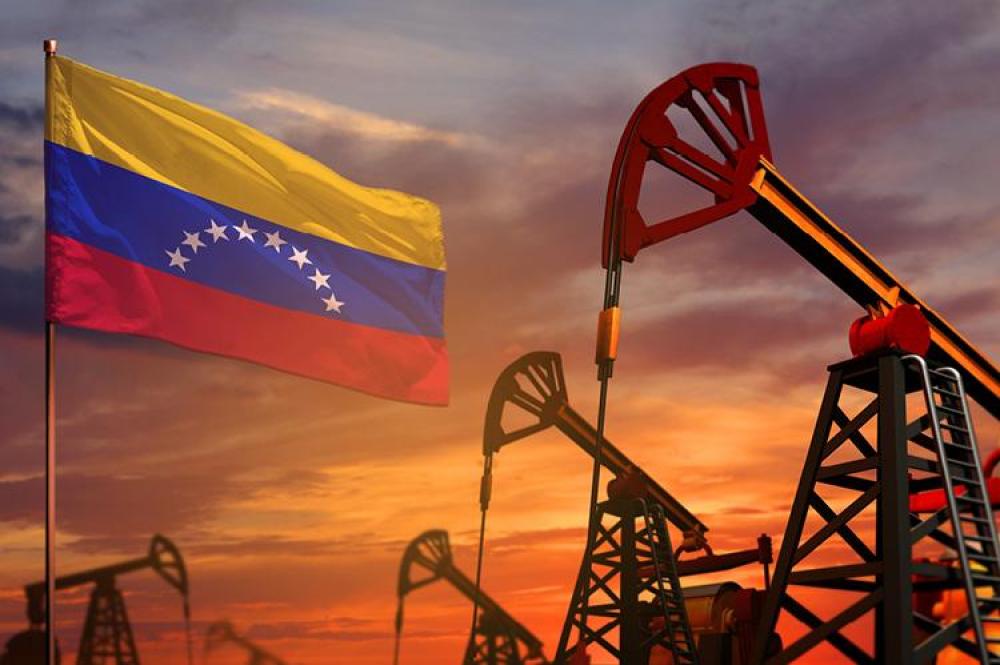
Plans linked to increased U.S. involvement in Venezuela’s oil sector could consume a substantial share of the world’s remaining carbon budget, raising concerns among climate experts about the feasibility of limiting global warming to 1.5°C.
Analysts warn that a large-scale expansion of oil production in Venezuela could account for roughly 13% of the remaining emissions allowance scientists say is left if the world is to avoid the most dangerous impacts of climate change. The estimate includes emissions generated both during extraction and when the oil is ultimately burned.
Venezuela possesses some of the largest proven oil reserves globally, much of it heavy crude that is particularly energy-intensive to extract and refine. This makes Venezuelan oil among the most carbon-intensive fuels on the global market, significantly amplifying its climate impact compared with lighter crude.
Supporters of expanded production argue that restoring Venezuela’s oil industry could strengthen energy security, stabilize global oil markets, and provide economic benefits for both Caracas and international investors. U.S. officials have also framed potential involvement as part of a broader effort to reshape Venezuela’s energy sector after years of decline and mismanagement.
Climate advocates, however, say the strategy directly conflicts with international climate goals. They argue that opening up new or previously constrained fossil fuel supplies risks locking in decades of additional emissions at a time when scientists say global oil, gas, and coal use must fall sharply.
Environmental groups are urging governments to prioritize clean energy investment instead of large fossil fuel projects, warning that continued expansion could make the 1.5°C target effectively unreachable. They also note that even partial exploitation of Venezuela’s reserves could place outsized pressure on the shrinking global carbon budget.
The debate highlights a growing tension between short-term energy and geopolitical considerations and long-term climate commitments, as governments weigh economic and strategic interests against the accelerating risks of global warming.
Author: M.J









.jpg)