WORLD NEWS FOR MONTENEGRO DIASPORA
Choose language:


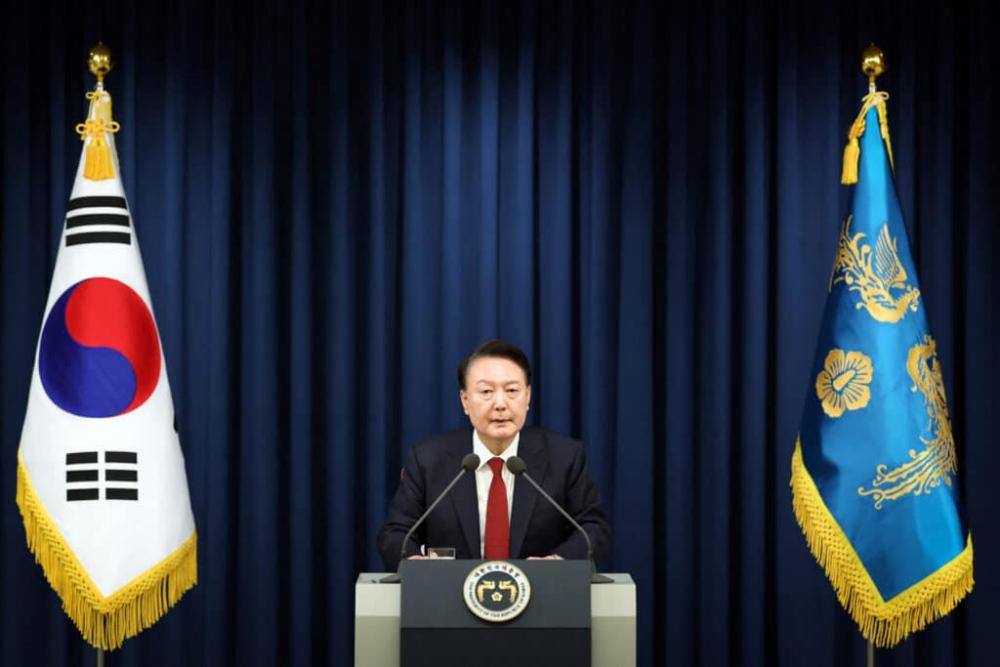
SEOUL — South Korean prosecutors have formally demanded the death penalty for former President Yoon Suk Yeol in connection with a range of corruption and abuse-of-power charges, a dramatic escalation in a case that has rocked the nation’s political establishment.
In court filings, prosecutors argued that Yoon’s alleged actions — which include accusations of bribery, influence peddling and betrayal of public trust — were so severe and damaging to democratic institutions that only the harshest penalty can serve justice and deter future abuses by public officials. They asked the trial court to impose a death sentence, an extraordinary request in a country where capital punishment has not been carried out in decades.
The announcement marks a significant turning point in proceedings that have drawn intense public and media attention. Yoon, who served as president from 2022 until his impeachment and removal from office last year, has denied all charges, calling the accusations politically motivated and vowing to clear his name.
Supporters of Yoon have decried the prosecutors’ demand as excessive and dangerous, arguing that it amounts to a politicized attack on a former head of state. They said the move undermines the rule of law and could further inflame already deep divisions within South Korean society.
Critics of Yoon, however, welcomed the development as a sign that no one is above the law, stressing that accountability for high-level corruption is essential to maintaining public trust in democratic governance. Public opinion has been sharply divided, with recent polls showing a nation split over Yoon’s legacy and the appropriate punishment for his alleged misconduct.
Legal analysts noted that even if prosecutors request the death penalty, the final decision rests with the judiciary, which will weigh the evidence, legal precedent and constitutional standards. They said the case could take many months to resolve and might ultimately end up before the Constitutional Court if questions about legal interpretation arise.
Human rights groups have raised concerns about the use of capital punishment in the case, arguing that even the possibility of a death sentence raises serious ethical and legal issues. South Korea has maintained a de facto moratorium on executions since the late 1990s, and many advocates are pushing for its formal abolition.
As the trial proceeds, both supporters and opponents of Yoon are preparing for what could be a historic and contentious legal battle, the outcome of which may shape the country’s political landscape for years to come.
Author: M.J








.jpg)