WORLD NEWS FOR MONTENEGRO DIASPORA
Choose language:


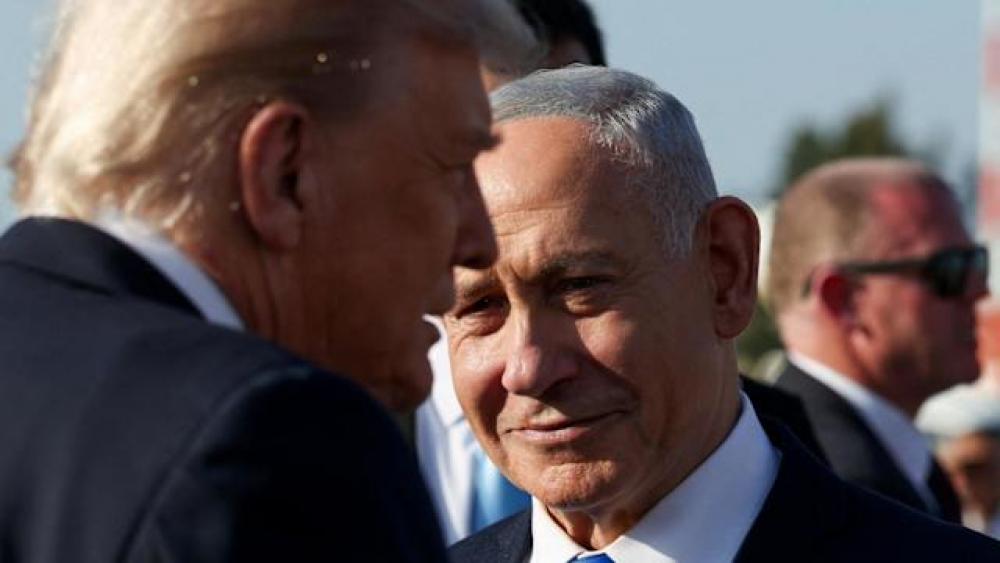
Israeli Prime Minister Benjamin Netanyahu has delivered a familiar message to U.S. President Donald Trump, emphasizing Israel’s security concerns and strategic priorities, even as Trump appears increasingly wary of Israel’s recent actions and their wider consequences.
During their discussions, Netanyahu underscored Israel’s longstanding position that it faces existential threats and must retain freedom of action to defend itself. He reiterated arguments he has made to successive U.S. leaders, framing Israel’s military and political decisions as necessary responses to regional instability and hostile actors.
Trump, however, signaled a more cautious tone than in the past. While reaffirming his general support for Israel’s security, he expressed concern about the scale and timing of Israeli operations and the potential for prolonged conflict to destabilize the region further. People familiar with the conversation said Trump questioned whether current strategies were advancing long-term stability or complicating diplomatic efforts.
The exchange highlighted a subtle shift in dynamics between the two leaders. Trump, who during his presidency was seen as one of Israel’s strongest backers, has recently emphasized deal-making and conflict resolution, arguing that extended military confrontations risk undermining broader regional and international interests.
Netanyahu sought to reassure Trump that Israel’s actions are carefully calculated and aligned with shared strategic goals. He pointed to threats from militant groups and rival regional powers, arguing that decisive action now could prevent larger conflicts later. Israeli officials have also stressed that domestic political pressures and security realities leave limited room for restraint.
The conversation comes at a time of heightened scrutiny of Israel’s conduct from parts of the international community, as well as growing debate within the United States over how closely Washington should align itself with Israeli policy. Trump’s apparent skepticism reflects a wider discussion among U.S. political figures about balancing support for Israel with concerns over civilian impact, regional escalation and diplomatic fallout.
Analysts say the meeting illustrates a more complex relationship than in the past, with Netanyahu seeking to maintain strong backing while navigating signs that Trump is less willing to offer unconditional support. The prime minister’s message, though consistent, landed in a political environment that has shifted since Trump’s time in office.
As both leaders look ahead to future political and diplomatic challenges, their interaction suggests that U.S.–Israeli relations, while still close, may be entering a phase marked by tougher questions and more explicit disagreements over strategy.
Whether Netanyahu’s arguments will ultimately reassure Trump remains unclear. What is evident is that familiar appeals now face a more skeptical audience, reflecting changing priorities and a growing emphasis on restraint, negotiation and long-term regional stability.
Author: M.J