WORLD NEWS FOR MONTENEGRO DIASPORA
Choose language:


Indigenous communities and advocacy groups are sounding an urgent alarm after new figures revealed that deaths of Indigenous people in custody have climbed to their highest level in more than four decades. The surge has intensified long-standing demands for deeper reforms, greater transparency, and meaningful accountability across police and correctional systems.
According to the latest national data, the number of Indigenous people who have died in custody over the past year has risen sharply, reversing years of gradual decline. Advocates describe the trend as a devastating setback in the fight to protect vulnerable detainees and address the structural inequalities contributing to disproportionate incarceration rates.
Community leaders say the pattern reflects systemic failures that governments have refused to confront. They point to chronic overcrowding, insufficient medical care, inconsistent monitoring practices, and a lack of independent oversight in detention facilities. Families who have lost loved ones say they are forced to navigate a confusing and often opaque investigation process, frequently waiting months—or years—for answers.
Legal organizations argue that many of these deaths were preventable, citing cases involving untreated medical emergencies, mental health crises, and unsafe restraint practices. They stress that despite decades of inquiries and recommendations, implementation has lagged across jurisdictions.
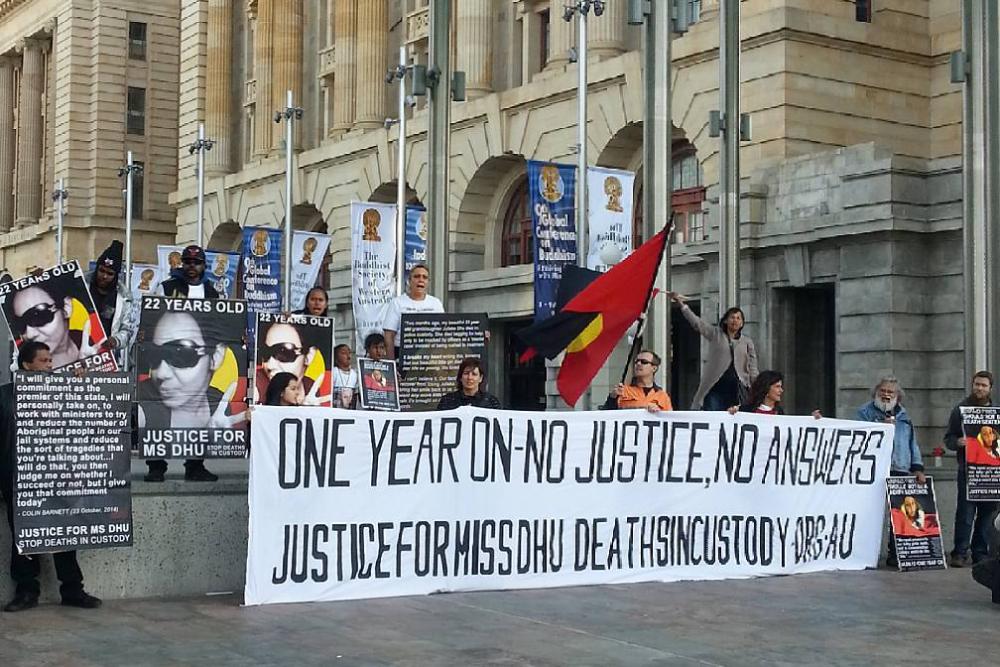
Protests and vigils have emerged in major cities as advocates call for immediate action, including mandatory CCTV coverage in all detention areas, stronger independent review mechanisms, and culturally appropriate support services within correctional facilities. Many are also pushing for major investments in diversion programs and alternatives to incarceration for Indigenous offenders.
Government officials acknowledge the seriousness of the issue but insist reforms are underway. Critics counter that change has been too slow and too shallow to stem the rising toll.
For families and communities, the latest figures are more than alarming statistics—they represent lives lost amid long-standing injustices. As pressure mounts, advocates warn that without decisive and coordinated reform, the cycle of preventable deaths will continue.
Author: M.J