WORLD NEWS FOR MONTENEGRO DIASPORA
Choose language:


The Philippines’ decades-long struggle against Islamist extremism has returned to international attention following the recent attack in Bondi, which reignited concerns about transnational radical networks and their lingering influence beyond Southeast Asia.
Security analysts say the incident has prompted renewed scrutiny of militant groups that originated or found footholds in the southern Philippines, where insurgent violence linked to extremist ideology has persisted for years despite sustained military pressure. While the Bondi attack did not occur in the region, officials note that global extremist movements often draw inspiration, tactics, or personnel from long-running conflict zones.
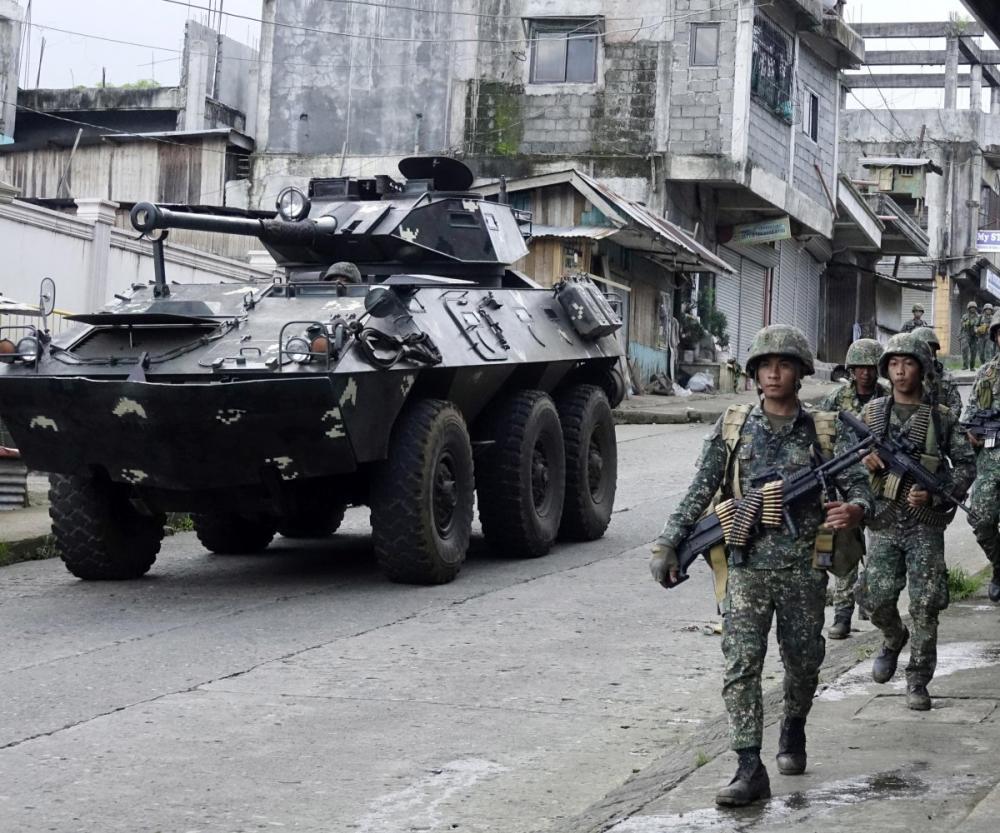
The Philippines has battled Islamist militancy for decades, particularly in Mindanao, where groups pledging allegiance to international jihadist movements have carried out bombings, kidnappings, and sieges. The 2017 battle for Marawi marked a turning point, exposing both the scale of the threat and the challenges of preventing radicalization.
Since then, Manila has intensified counterterrorism operations, expanded intelligence cooperation with foreign partners, and pursued deradicalization programs aimed at preventing recruitment. Authorities say these measures have weakened major militant factions, though smaller cells and lone-actor threats remain difficult to detect.
The renewed attention has also sparked debate over how countries balance security measures with civil liberties, particularly in communities vulnerable to radical influence. Experts warn that heavy-handed approaches can backfire if not paired with economic development and community engagement.
As global concern over extremist violence resurfaces, the Philippines’ experience is once again being cited as a case study in the long-term fight against ideologically driven militancy — one that shows progress is possible, but never guaranteed.
Author: M.J