WORLD NEWS FOR MONTENEGRO DIASPORA
Choose language:


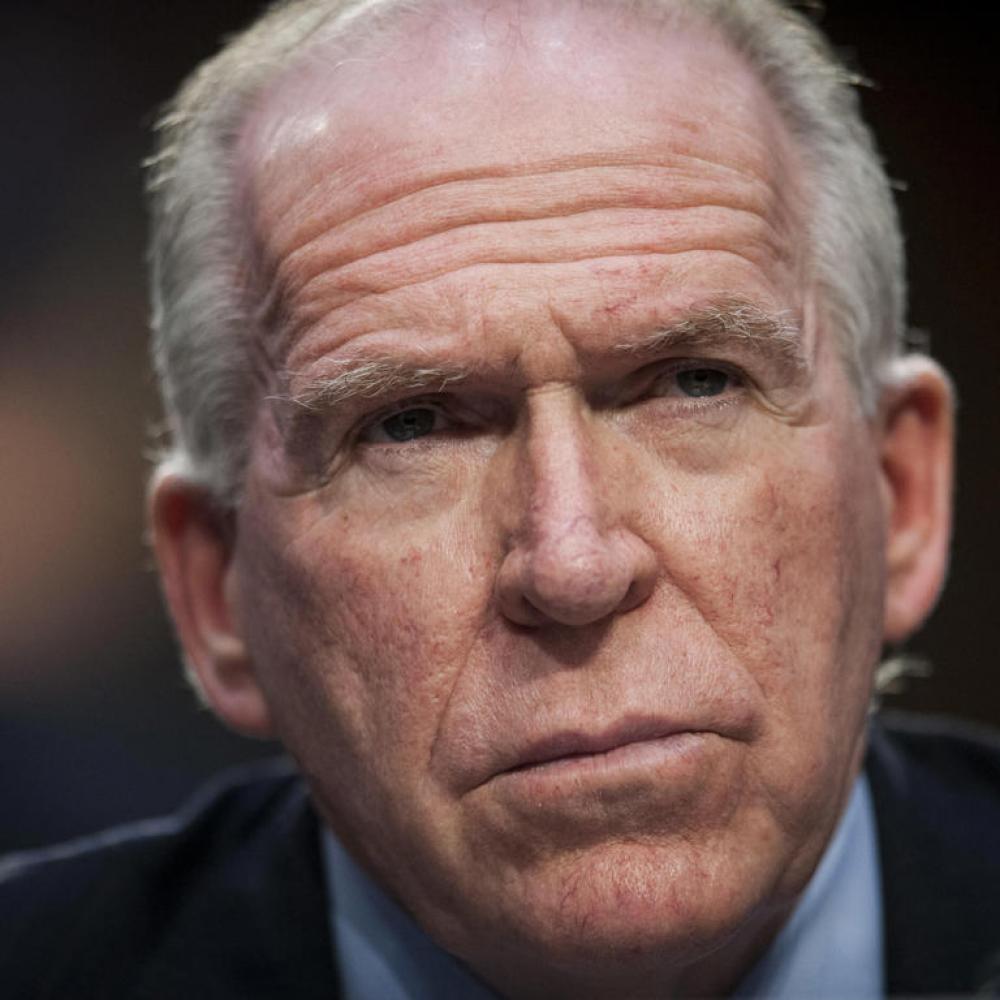
Former CIA Director John Brennan has publicly accused the U.S. Justice Department of engaging in questionable practices, including alleged efforts to influence judicial assignments and the leaking of sensitive grand jury information.
In a statement released through his legal team, Brennan claimed that certain actions by department officials may have crossed legal and ethical boundaries. He specifically pointed to what he described as an attempt to “judge shop” — a tactic in which prosecutors might seek to have a case heard by a judge perceived as more favorable to their position — and alleged unauthorized leaks from grand jury proceedings to the media.
The accusations have sparked a sharp response from both supporters and critics, adding fuel to an already intense national debate over the Justice Department’s conduct and transparency in high-profile investigations. Brennan, who has long been a prominent voice on national security matters, framed his comments as a defense of the rule of law and the integrity of the American justice system.
His legal team stated that the alleged judge shopping appeared aimed at securing a particular procedural advantage in an ongoing legal matter involving Brennan. The former intelligence chief also expressed concern that leaks from grand jury testimony or related documents could prejudice public opinion and undermine the fairness of judicial proceedings.
In response, Justice Department officials denied any impropriety, insisting that all decisions regarding case assignments and the handling of grand jury material were made in accordance with established legal norms and policies. Department representatives characterized the accusations as “baseless” and reaffirmed their commitment to upholding impartiality and confidentiality in all matters.
Legal experts say that allegations of judge shopping and grand jury leaks are serious and, if substantiated, could trigger internal reviews or disciplinary action. Judge shopping, in particular, is considered a breach of ethical standards, as federal cases are typically assigned to judges through random selection to ensure fairness and avoid manipulation.
The controversy has drawn attention from lawmakers on both sides of the political aisle, with some calling for congressional hearings to examine the matter more closely. Others have urged caution, emphasizing the need for verified evidence before drawing conclusions about misconduct within the Justice Department.
For his part, Brennan has maintained that his concerns are rooted in a desire to protect institutional integrity rather than to advance a personal agenda. In public remarks, he reiterated the importance of transparency and accountability, particularly at a time when public trust in government institutions is deeply divided.
As the debate continues, many observers are waiting to see whether further details will emerge that could clarify the situation or escalate tensions between Brennan and the Justice Department.
Author: M.J