WORLD NEWS FOR MONTENEGRO DIASPORA
Choose language:


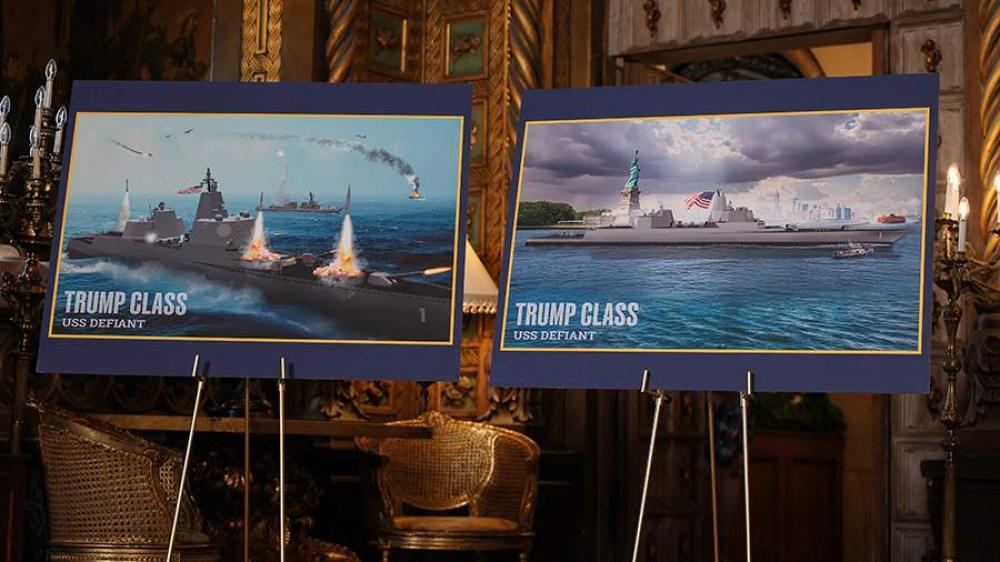
President Donald Trump’s latest defense initiative — a proposal to build a new class of American battleships — has ignited a contentious debate over the future direction of the U.S. Navy, with supporters praising its bold vision and critics warning it could undermine military effectiveness and strain resources.
Under the plan, the Navy would commission a fleet of heavily armed surface warships designed to project power and provide enhanced firepower in strategic theaters around the world. Advocates argue that the addition of modern battleships could deter adversaries, bolster naval presence, and reinforce U.S. influence in contested regions.
Proponents also say that cutting-edge battleships equipped with advanced missile systems and defensive technology would fill critical capability gaps, particularly in areas where air and submarine dominance may be challenged. They frame the initiative as a return to a visible, formidable maritime force capable of responding to evolving global threats.
However, the proposal has drawn strong criticism from defense analysts and former military officials who contend that battleships are an outdated concept in modern naval warfare. Critics argue that investing heavily in large surface combatants could divert funding from more versatile and essential assets such as aircraft carriers, submarines, and unmanned systems.
“What the Navy needs are platforms that can operate effectively in integrated, multi-domain environments,” one defense expert said. “Battleships may be powerful in theory, but in practice they may be vulnerable and costly to maintain.”
Concerns have also been raised about the financial implications of the plan. Building and sustaining a new class of battleships could require billions of dollars in additional defense spending at a time when the Pentagon is already grappling with budget pressures and competing priorities.
Lawmakers in both parties have weighed in, with some expressing cautious interest in exploring new maritime capabilities, while others have called for a more measured assessment of long-term naval strategy. Budget committees are expected to scrutinize the proposal as part of upcoming defense appropriations discussions.
The Navy itself has been cautious in its response, acknowledging the importance of innovation but emphasizing the need to balance new initiatives with existing commitments and operational readiness. Service leaders have highlighted ongoing investments in stealth technology, missile defense, and next-generation platforms as central to future maritime dominance.
As debate continues, the battleship proposal has become a flashpoint in broader discussions about how the United States should adapt its military posture to address 21st-century challenges. Whether the concept ultimately gains traction or fades amid skepticism, it has already sparked a national conversation about the role of naval power in American defense strategy.
Author: M.J