WORLD NEWS FOR MONTENEGRO DIASPORA
Choose language:


A sudden escalation along the Thai-Cambodian border has rattled Southeast Asia, after Thailand conducted targeted airstrikes on Cambodian positions amid a rapidly deteriorating security situation. The flare-up comes at a delicate moment, with a high-profile peace initiative backed by former U.S. President Donald Trump now facing uncertainty.
The strikes reportedly followed a series of confrontations between security forces along disputed stretches of the frontier, an area where rival territorial claims have simmered for decades. Thai officials described the operation as a “defensive measure,” insisting it was launched in response to what they characterized as cross-border provocations. Cambodia, however, condemned the attack and accused Bangkok of violating its sovereignty.
Emergency meetings were convened in both capitals as troops along the border were placed on heightened alert. Local communities on both sides reported hearing explosions and seeing plumes of smoke rising from remote forested areas.
Regional diplomats expressed alarm at the timing of the escalation, noting that the two countries had recently been included in ongoing efforts to reduce tensions across Asia. Trump’s proposed peace framework—intended to stabilize several regional flashpoints—now faces deeper challenges as Bangkok and Phnom Penh exchange sharp rhetoric.
Within hours of the strikes, Cambodia called for an urgent regional dialogue and warned that further attacks would force a “measured response.” Thailand countered that it would “not hesitate to defend its territory” if what it views as Cambodian incursions continue.
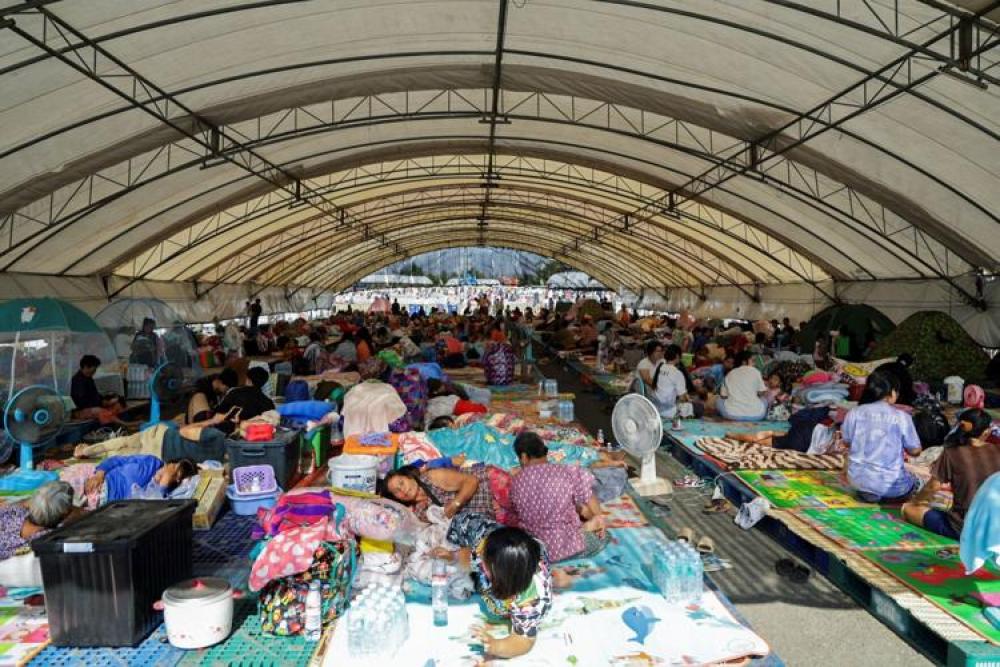
The renewed hostilities have sparked fears of a broader conflict in one of Southeast Asia’s most sensitive border zones. Humanitarian groups have begun assessing potential displacement risks, while local residents are being urged to avoid conflict-prone areas.
Though both governments say they remain open to diplomacy, analysts warn that the momentum toward de-escalation may be slipping. Whether the situation stabilizes in the coming days—or evolves into a more serious confrontation—may depend on how quickly international mediators can intervene.
Author: M.J