WORLD NEWS FOR MONTENEGRO DIASPORA
Choose language:


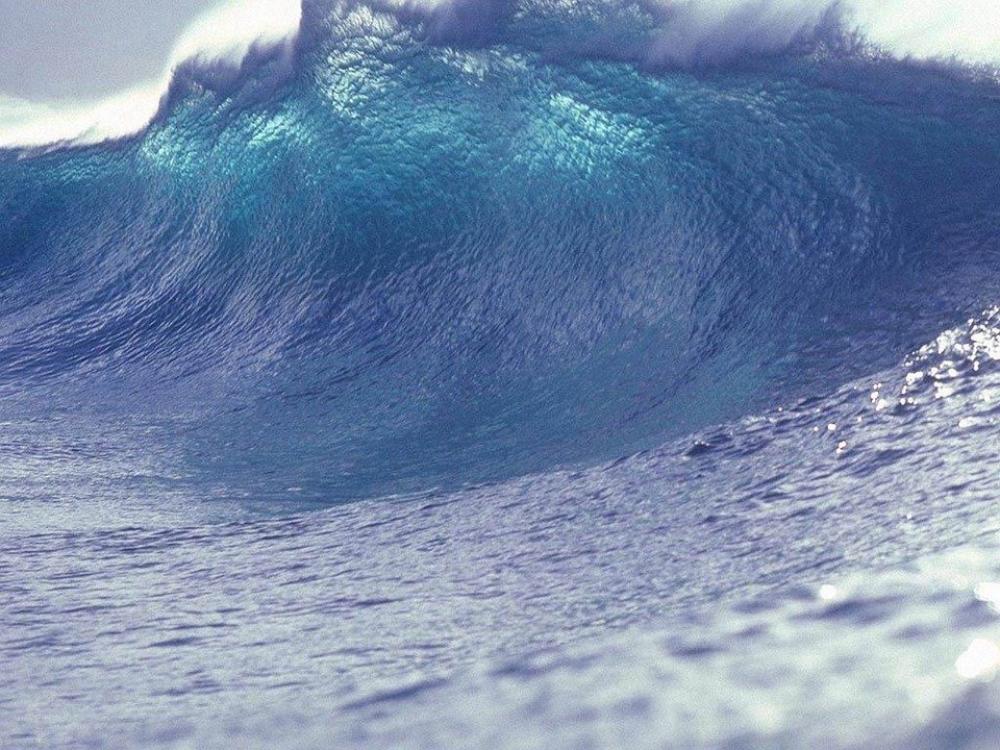
A major earthquake struck off Japan’s northeastern coast on Tuesday, prompting authorities to issue an urgent tsunami warning and instruct residents in coastal areas to evacuate to higher ground. The 7.6-magnitude quake, felt across a wide stretch of the country, shook buildings, halted transportation lines, and triggered immediate emergency responses from local and national agencies.
The epicenter was located offshore, but the tremor’s force was strong enough to rattle major cities and disrupt power in some communities. Sirens and public loudspeakers along the coast urged residents to leave low-lying zones, warning that waves could pose a serious threat within minutes of the initial shaking.
Officials activated emergency coordination centers and dispatched helicopters to survey potential damage. Rail services in the affected region were suspended as crews inspected tracks and infrastructure for safety. Several highways were temporarily closed as authorities assessed landslide risks.
Early reports indicated structural damage in some areas, though officials cautioned that a full picture would emerge only after daylight inspections. Hospitals and emergency services remained on high alert, preparing for potential injuries or casualties.
Residents described the quake as sudden and violent, with some noting that aftershocks continued to shake the region. Local governments urged people to stay away from the coastline, monitor official alerts, and avoid returning home until authorities declared the area safe.
Japan, situated along the Pacific “Ring of Fire,” is no stranger to powerful earthquakes. Still, the scale of the tremor and the tsunami alert revived memories of past disasters and underscored the importance of swift evacuation.
As emergency teams continue assessing the situation, officials warned that additional aftershocks are likely and that the tsunami threat has not yet fully passed. Authorities are expected to provide further updates as data becomes available.
Author: M.J