WORLD NEWS FOR MONTENEGRO DIASPORA
Choose language:


QUITO — An Ecuadorian criminal court has sentenced 11 current and former members of the nation’s air force in connection with the disappearance of four boys whose case sparked outrage and renewed scrutiny of military conduct.
The defendants, all air force personnel, were found guilty of charges related to the abduction and disappearance of the children, who went missing under mysterious circumstances that drew national attention. The verdict comes after a lengthy trial in which prosecutors argued that the military members abused their authority and were directly involved in actions that led to the boys’ disappearance.
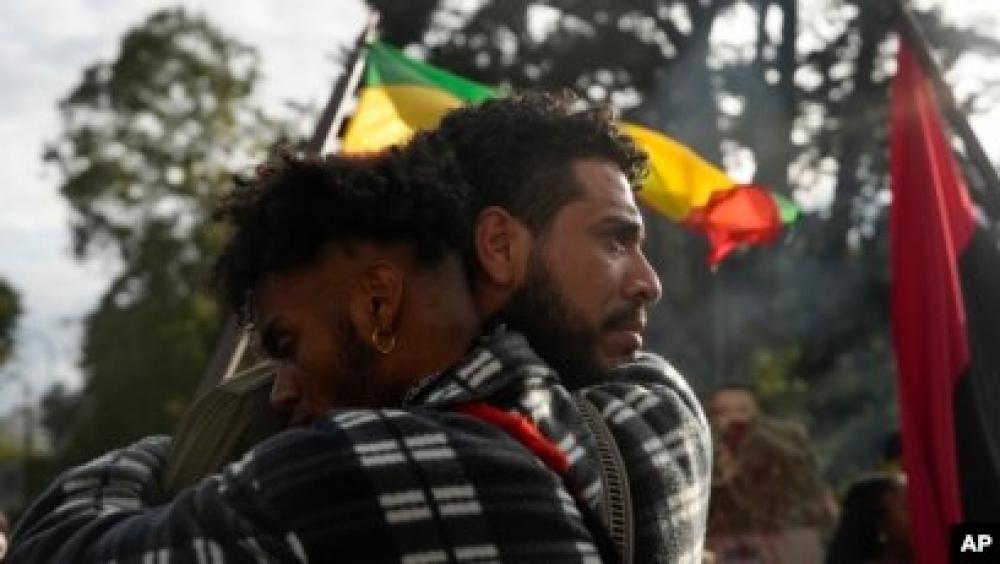
During the proceedings, family members of the missing boys attended hearings, expressing grief and frustration over the loss of their children and the slow pace of justice. The court’s sentences vary for each defendant, reflecting differing degrees of involvement in the case as determined by the judges.
In announcing the verdicts, the presiding judge emphasized the importance of upholding the rule of law and holding security forces accountable for violations of human rights. The decision reinforces the principle that no institution or individual is above the law, particularly when it comes to crimes involving vulnerable civilians.
The case has drawn significant public interest and renewed debate about the role and oversight of the armed forces in Ecuador. Human rights advocates applauded the court’s decision as a necessary step toward justice for the families and as a warning against impunity within state institutions.
Authorities have not recovered the missing children’s bodies, and questions remain about their fate. Government officials pledged to continue efforts to locate the boys and to support the families in their search for closure.
In response to the convictions, the Ecuadorian air force issued a statement acknowledging the court’s decision and reiterated its commitment to cooperating with legal authorities. Military leaders also emphasized the need to restore public trust and strengthen internal mechanisms to prevent future abuses.
As the sentences are carried out, the verdict is likely to influence ongoing discussions in Ecuador about civil-military relations, transparency, and accountability within security institutions charged with protecting the public.
Author: M.J