WORLD NEWS FOR MONTENEGRO DIASPORA
Choose language:


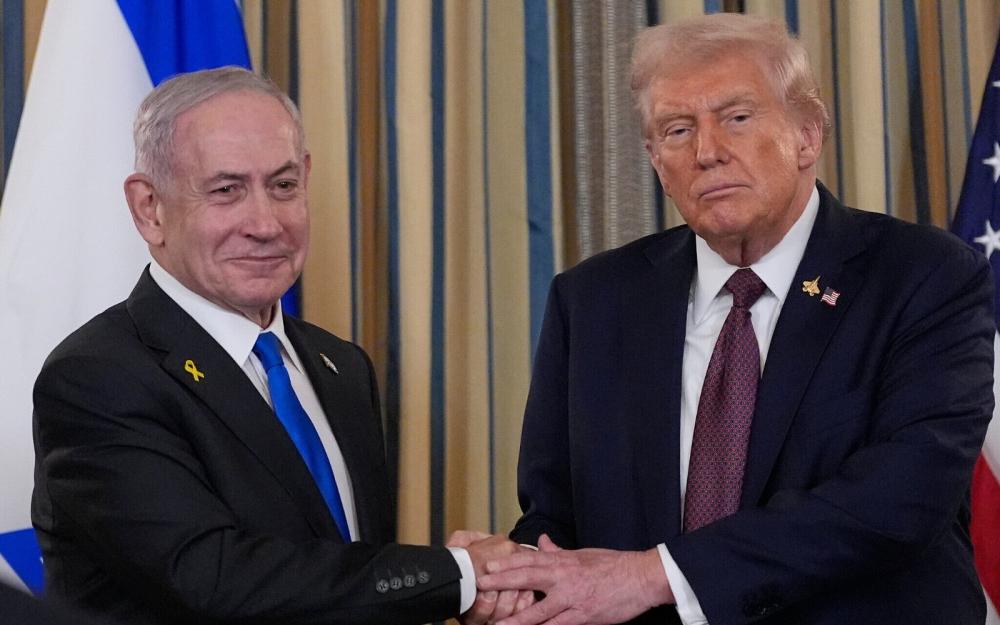
A dramatic boycott by Israel’s far-right coalition parties disrupted a pivotal Knesset session on Trump’s recently promoted Gaza proposal, giving the opposition an opening to pressure Prime Minister Benjamin Netanyahu at a politically fragile moment.
The vote, largely symbolic but politically charged, was intended to demonstrate parliamentary backing for the Israeli government’s approach to the Gaza conflict and its coordination with Washington. Instead, the walkout turned the session into a spectacle of internal division, underscoring deep fractures within Netanyahu’s governing bloc.
Far-right leaders accused Netanyahu of capitulating to U.S. influence and claimed the plan risks limiting Israel’s military freedom and long-term control over security arrangements. Their absence from the chamber left several coalition members visibly frustrated, with some warning that the boycott could destabilize the government further.
Sensing an opportunity, opposition parties united in an effort to embarrass the prime minister, using the session to frame Netanyahu as weakened, isolated, and unable to control his coalition. Several lawmakers argued that the government’s internal disputes are undermining Israel’s credibility on the world stage, particularly during high-stakes negotiations linked to Gaza’s future.
The boycott also heightened tensions within the coalition, where competing factions have been clashing for months over the direction of the war, relations with the United States, and internal reforms. Senior officials in Netanyahu’s circle attempted to downplay the drama, insisting that the vote would not alter the government’s policy or its coordination with Washington.
Still, political analysts say the episode marks another sign of uncertainty for Netanyahu, who faces growing criticism both domestically and internationally. The far right’s maneuver suggests they are willing to challenge the prime minister publicly—and forcefully—whenever they believe his policies diverge from their hard-line agenda.
With debate over Gaza far from over, the turmoil in the Knesset signals that Israel’s political battlefield may remain just as volatile as the conflict itself.
Author: M.J







.jpg)