WORLD NEWS FOR MONTENEGRO DIASPORA
Choose language:


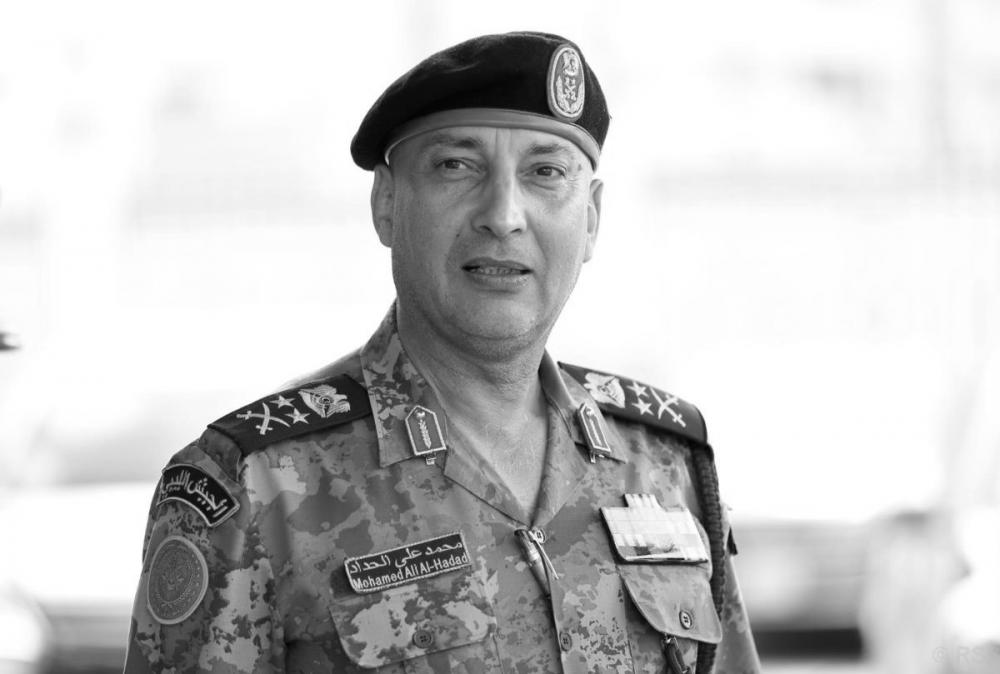
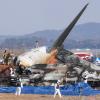
Libya’s army chief has been killed in a plane crash in Turkey, sending shockwaves through the country’s political and military establishments and prompting an outpouring of grief from leaders and citizens alike.
The aircraft, carrying the senior military commander and several other passengers, went down under circumstances that Turkish authorities are investigating. Search and rescue teams were dispatched to the crash site shortly after the incident, but officials later confirmed that there were no survivors.
Libyan government spokespeople expressed profound sorrow over the loss, describing the army chief as a pivotal figure in the nation’s efforts to stabilize security and rebuild state institutions after years of conflict. In official statements, they hailed his commitment to national unity and vowed to uphold his legacy.
Foreign Ministry officials in Tripoli said they were in close contact with Turkish authorities as investigations into the cause of the crash continue. Initial inquiries are focusing on mechanical failure, weather conditions and air traffic communications, though no definitive conclusions have been released.
The death of the army chief is likely to have significant implications for Libya’s fragile political landscape, where military leaders often play influential roles in both security matters and broader governance. Lawmakers from across Libya’s political spectrum expressed condolences and called for unity in the face of the tragedy.
Local residents in Tripoli and other major cities held impromptu vigils, laying flowers and lighting candles in memory of the fallen commander. Social media platforms were flooded with tributes from citizens and military personnel, many of whom lauded his leadership and dedication.
Turkey’s government also issued a statement expressing regret over the crash and extending sympathy to the families of the victims and the people of Libya. Turkish aviation authorities have launched a formal probe into the incident, with technical teams expected to collaborate with Libyan counterparts.
The composition of the army chief’s replacement remains unclear, and political analysts say his death could trigger a period of jockeying for influence among Libya’s armed factions. National elections and peace efforts are ongoing, and the loss of a key military figure adds another layer of complexity to already delicate negotiations.
As Libya mourns, officials have called for calm and continuity, assuring citizens that security operations and government functions will proceed without interruption. The circumstances surrounding the crash are expected to be a central focus in coming days as investigators work to provide clarity on what led to the fatal incident.
Author: M.J