WORLD NEWS FOR MONTENEGRO DIASPORA
Choose language:


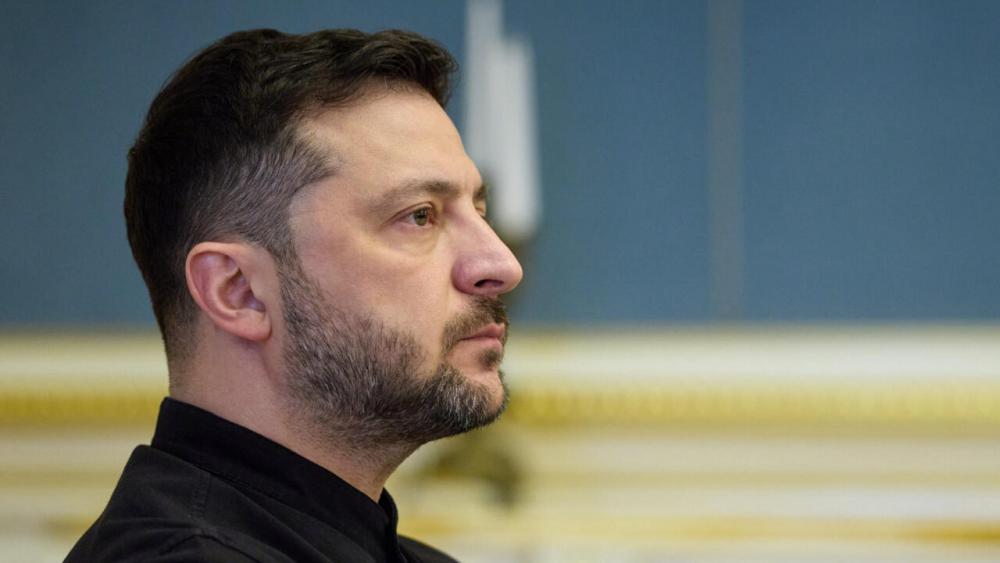
Ukrainian President Volodymyr Zelensky has unveiled a set of peace concessions aimed at advancing negotiations to end the conflict with Russia, placing the onus on President Vladimir Putin to decide whether to seize a diplomatic path or let hostilities continue.
In a televised address, Zelensky outlined a series of proposed compromises, saying they reflect Ukraine’s desire to achieve a durable ceasefire and secure the safety and prosperity of its people. The concessions are intended to break a months-long stalemate in talks and demonstrate Kyiv’s willingness to make difficult decisions in pursuit of peace.
Among the proposals are measures that signal flexibility on disputed issues, including phased security arrangements and potential mutual troop withdrawals in certain areas, contingent on robust international guarantees. Zelensky stressed that Ukraine remains committed to defending its sovereignty and territorial integrity, but said that his government is ready to explore options that could reduce bloodshed and bring an end to widespread destruction.
The Ukrainian president made clear that the ball is now in Moscow’s court, urging Putin to engage constructively and respond positively to the overture. Zelensky called on Russia to demonstrate seriousness about peace by engaging in good-faith negotiations and halting offensive operations.
International leaders have reacted cautiously to the announcement, expressing support for dialogue while emphasizing the importance of safeguarding Ukraine’s internationally recognized borders. Some officials welcomed Zelensky’s willingness to compromise, viewing it as a potential catalyst for renewed diplomatic momentum.
However, the proposals have also drawn mixed reactions at home. While many Ukrainians expressed hope that the concessions could lead to an end to the war, others voiced concern that compromising too much could undermine hard-fought gains and set dangerous precedents. Opposition figures and analysts cautioned that any agreement must be carefully calibrated to avoid emboldening further aggression.
Russian authorities have not yet issued a formal response to Zelensky’s latest peace initiative. Earlier comments from Moscow have been dismissive of previous Ukrainian proposals, and policymakers in Russia continue to frame the conflict in terms of strategic security interests.
The situation on the ground remains volatile, with clashes reported in multiple regions even as diplomatic overtures are made. Zelensky acknowledged these realities in his address, underscoring the humanitarian toll of the war and the urgent need to protect civilians.
In closing his remarks, Zelensky appealed directly to Putin, saying that history will judge leaders by their decisions in moments of crisis. He urged Russia’s president to choose a path that prioritizes peace and spares further suffering.
As the world watches closely, the next steps from Moscow will be pivotal. Whether Putin responds with engagement or rejects the concessions could shape the course of the conflict and determine prospects for peace in the months ahead.
Author: M.J